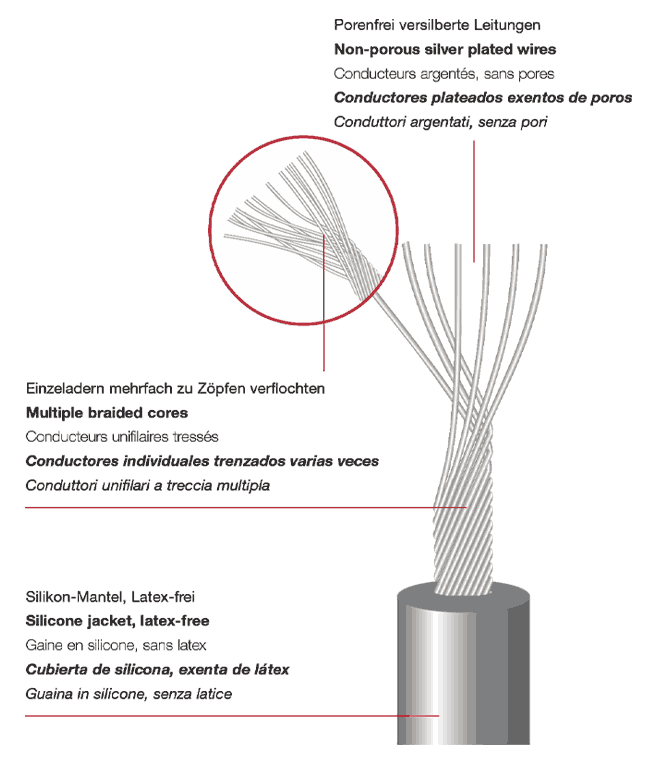
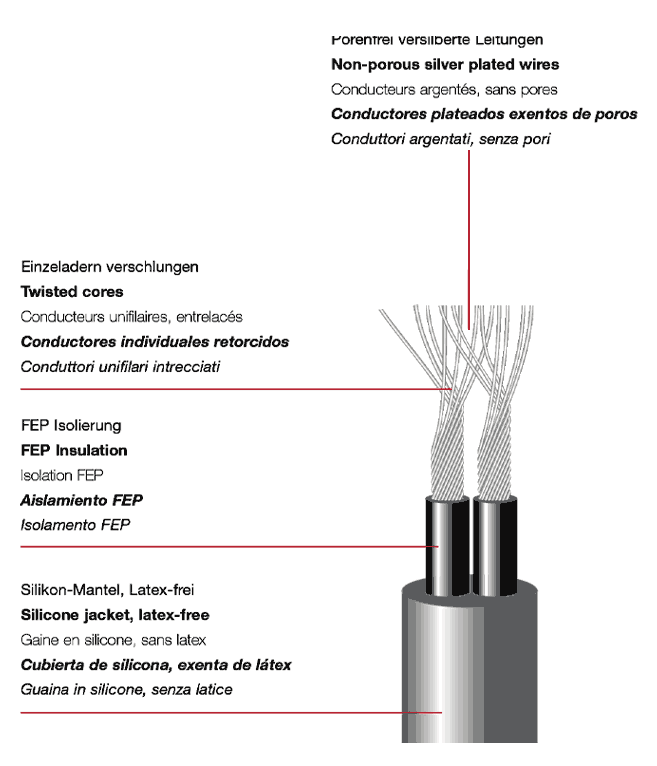
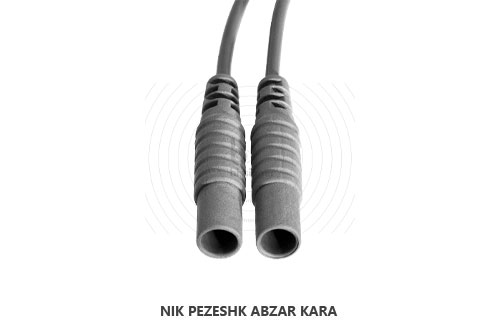
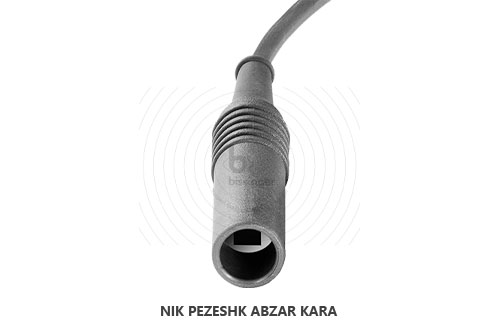
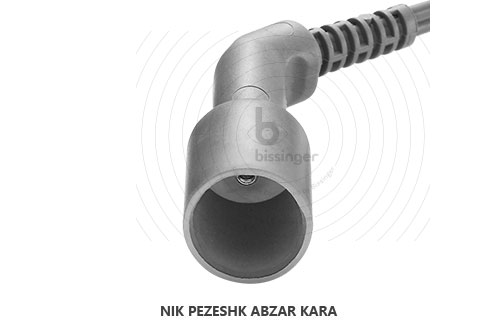
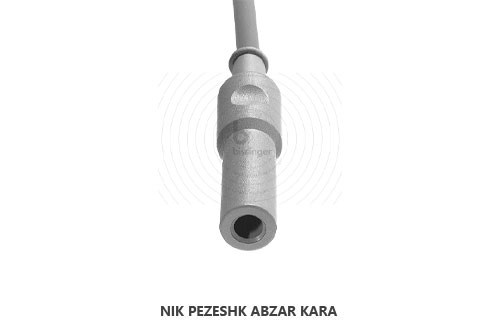
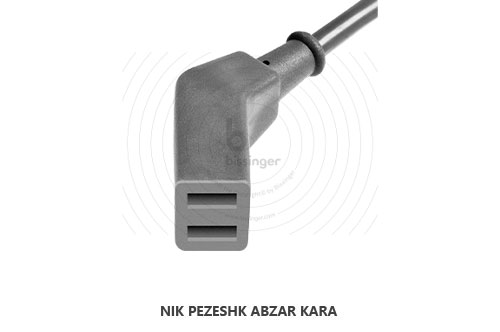
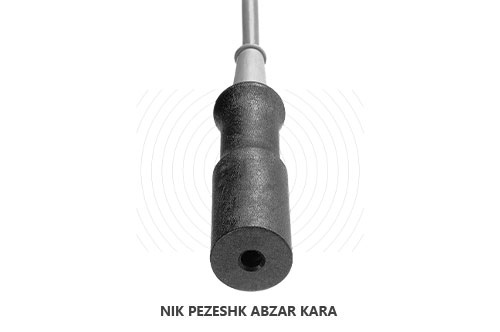
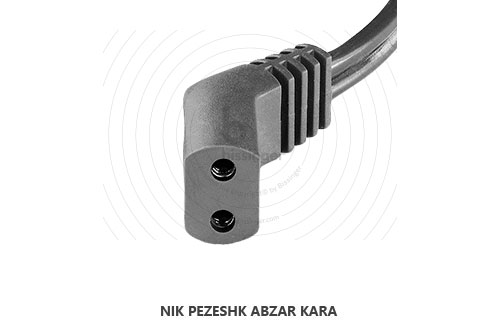
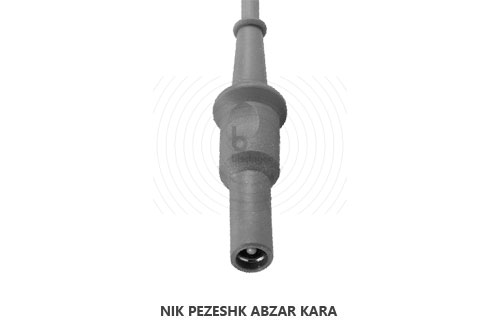
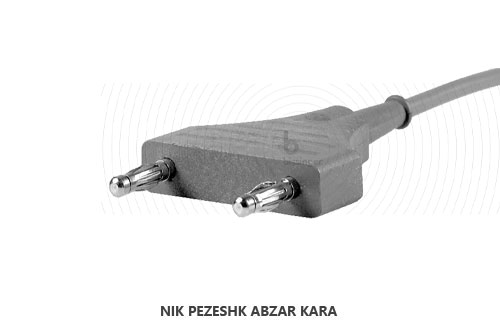
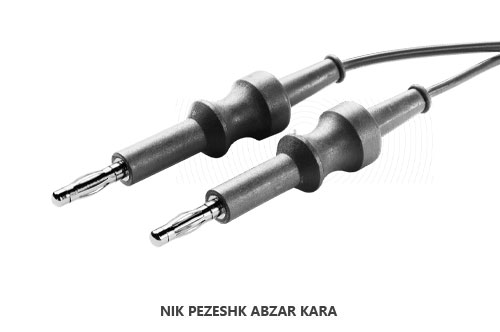
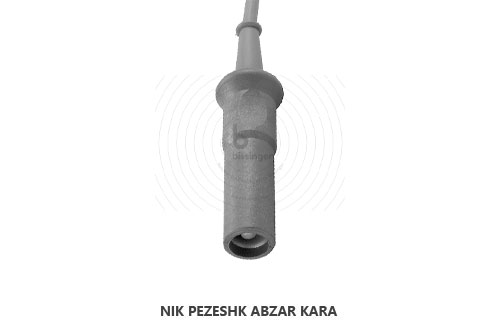
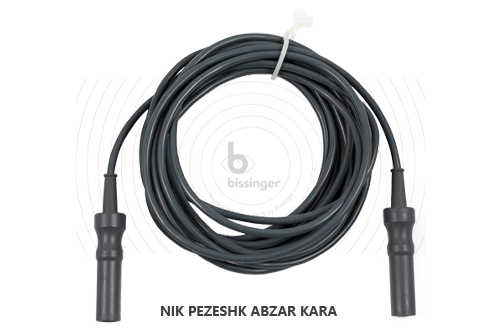
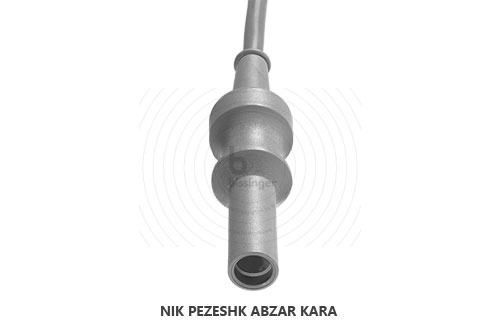
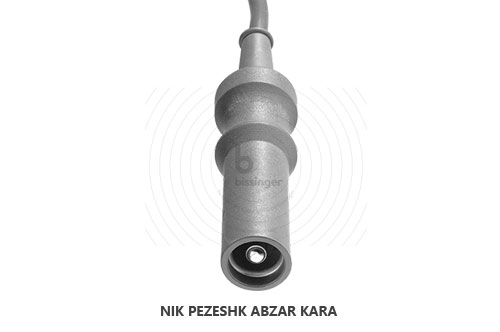
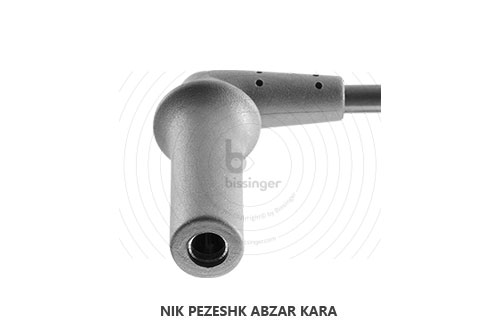
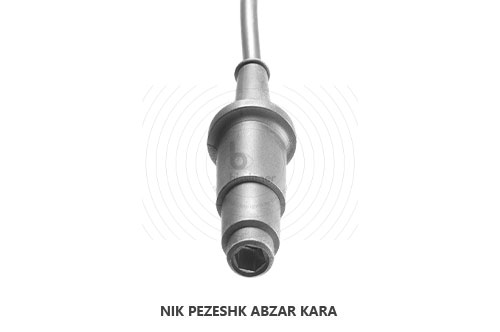
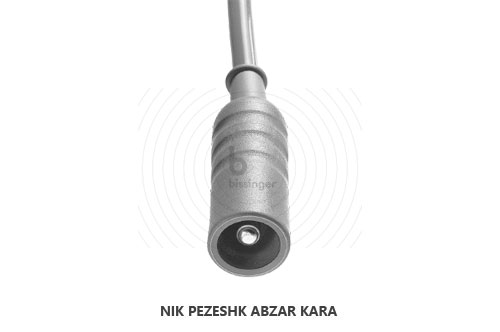
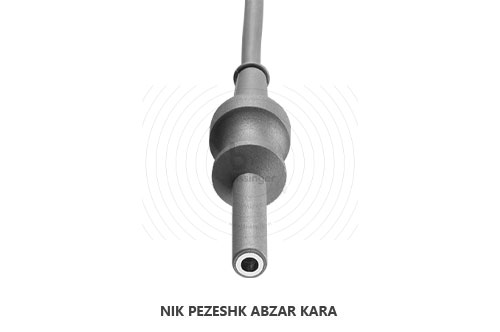
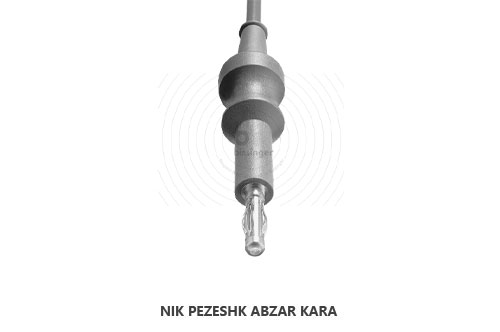
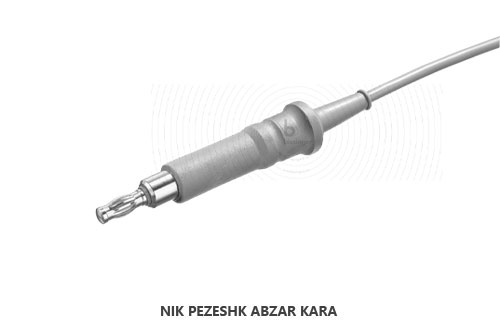
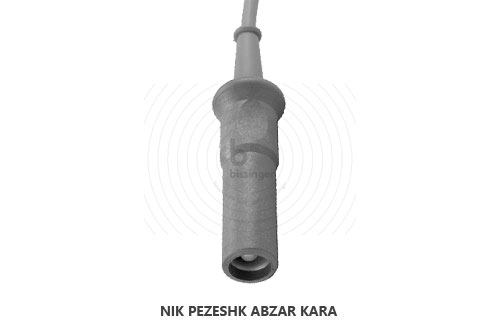
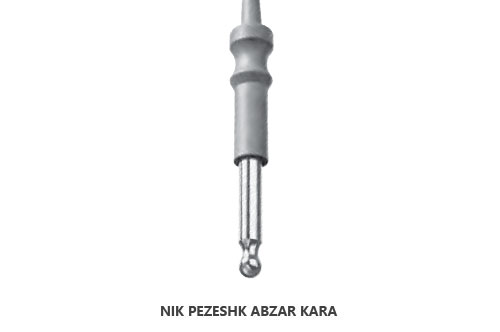
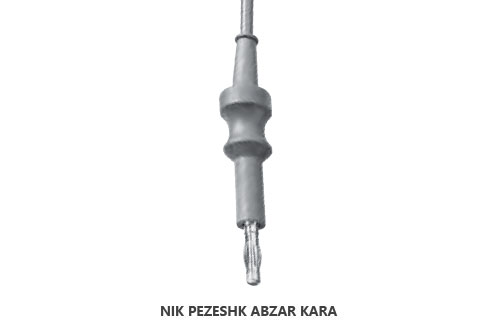
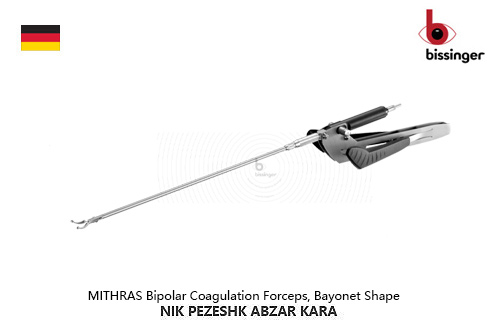
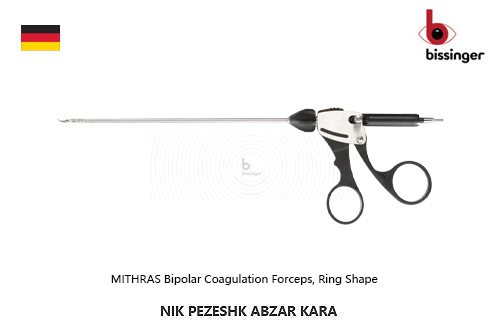
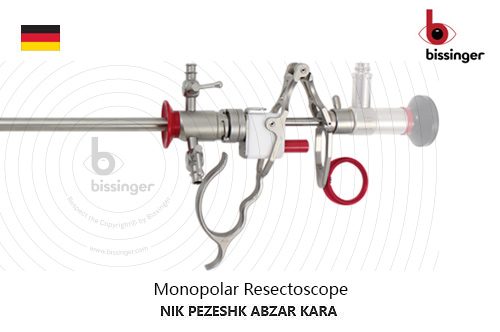
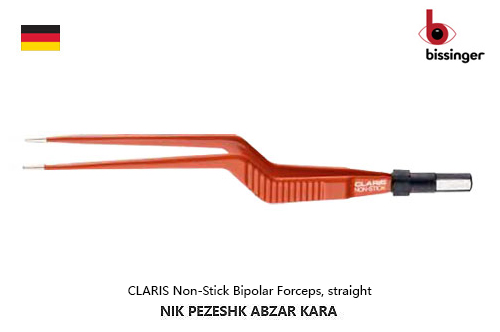
Monopolar and bipolar electrosurgery cables are two types of connectors used to transmit electrical current in electrosurgical (cautery) devices. The main difference between them lies in their operation and safety during surgery. Monopolar cables use one active electrode (such as a surgical pencil) and one return electrode (patient plate) to complete the electrical circuit, while bipolar cables use two active electrodes (such as bipolar forceps) to create a current between two points on the patient’s body.
To use electrosurgical instruments in endoscopic surgeries, including laparoscopy, urology, hysteroscopy, and arthroscopy, these tools must be connected to the operating room electrocautery device via a specialized cable. Naturally, given the variety of electrosurgical instruments and the differing standards of cable ports among various electrocautery brands, multiple types of cables are commonly used in the operating room.
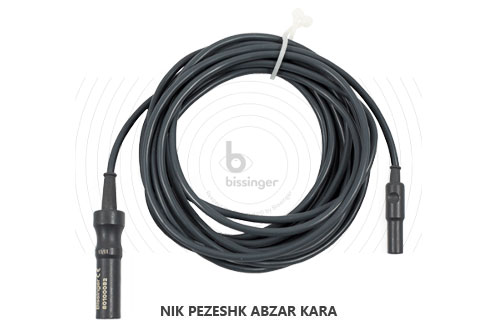
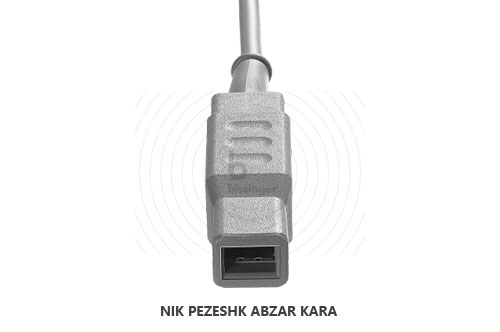
Therefore, selecting the appropriate cable for the electrosurgical instrument and electrocautery device is essential for proper operation. Bissinger is one of the leading global manufacturers of electrosurgical accessories. The company produces specialized cables for electrosurgical instruments with various connectors to fit different electrocautery devices, offering products in both monopolar and bipolar models.
Exclusive Distributor of German Monopolar and Bipolar Cables
Nik Pezeshk Abzar Kara (NIPAK) is the exclusive distributor of Bissinger Germany’s monopolar and bipolar electrosurgery cables in Iran. Bissinger is one of the world’s leading manufacturers of electrocautery accessories.